
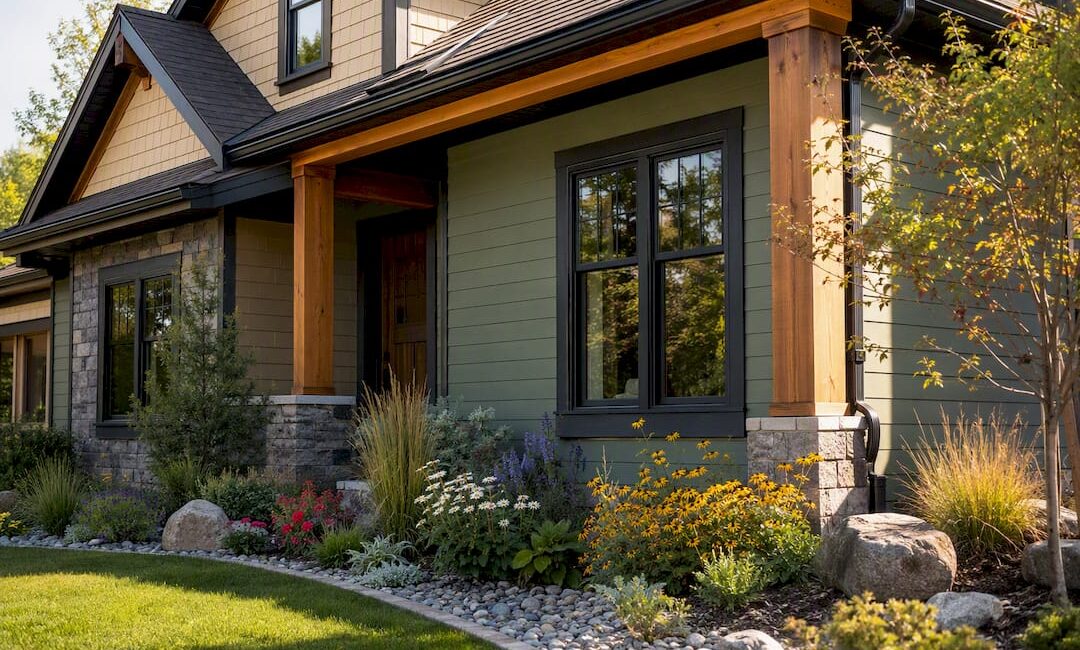
For 2026, expect five clear directions on the siding color trends 2026 homeowners are gravitating toward: warm neutrals replacing cool grays, nature-inspired greens, deep saturated darks used with restraint, high-contrast pairings built around warm whites instead of stark black, and color drenching that carries one tone across siding, trim, and accents. Each direction has momentum behind it, whether that’s manufacturer color collections, designer commentary, or what we’re actually seeing quoted on job sites in Bucks County.
Here’s the shorthand version before you dig into the details:
- Warm neutrals — think mushroom greige, sandy khaki, warm beige — are pushing cool gray off the palette.
- Nature-inspired greens — sage, olive, deep forest — are showing up on everything from ranch homes to modern farmhouses.
- Deep saturated darks — charcoal, navy, forest green — are being used more selectively, often as an accent rather than an all-over statement.
- High-contrast warm whites are replacing the stark black-and-white farmhouse look with softer, bronze-toned window frames.
- Color drenching and tonal layering are giving houses a more architectural, intentional look instead of one flat color from roofline to foundation.
Key Takeaways
Choosing a siding color for 2026 works best when the color decision and the material decision happen together, not separately.
| Point | Details |
|---|---|
| Warm neutrals lead for resale | Greige, sand, and mushroom tones offer the broadest long-term buyer appeal. |
| Match color depth to material | Deep darks and saturated greens hold up best on fiber cement or engineered wood, not basic vinyl. |
| Layer tones, don’t clash them | Keep two to three colors within the same family for a cohesive, architectural look. |
| Test samples in real light | Physical panels viewed at different times of day beat any digital visualizer. |
| Jaghomesnow pairs color with durability | Jaghomesnow helps Bucks County and Jersey Shore homeowners match trending siding colors to materials that hold them long term. |
Table of Contents
- Popular Siding Colors 2026: The Five Directions Explained
- How to Layer Tones Without Overdoing the Contrast
- Which Siding Material Holds Trending Colors Best?
- How to Choose, Test, and Finalize Your Siding Color
- What We’re Seeing on Job Sites
- Resale Value and How Long Your Siding Color Will Actually Last
- Trim and Accent Pairings That Work With 2026’s Trending Colors
- How Architectural Style Shapes Which Colors Actually Work
- Do Siding Color Trends Look Different by Region?
- Sustainable Siding Materials and the Colors Available on Them
- Should Your Interior Colors Match Your New Siding?
- What Actually Matters More Than the Trend Itself
- Ready to Bring 2026’s Siding Colors to Your Home?
- Frequently Asked Questions
- Sources
Popular Siding Colors 2026: The Five Directions Explained
Trends don’t happen in a vacuum. Manufacturers build entire product lines around color-of-the-year choices, and those choices ripple down into what’s stocked, what’s discounted, and what installers are recommending on estimates. Here’s what’s actually behind each of the five directions above.
1. Nature-inspired greens
Sage, olive, and deep forest green are among the strongest 2026 exterior color trends, and it’s not hard to see why. These tones read as calm and grounded, and they play well against almost any landscaping, from evergreens to a gravel xeriscape. Lighter sage works nicely on Cape Cods and cottages; deeper forest and olive tones suit modern farmhouses and craftsman-style homes with substantial rooflines.
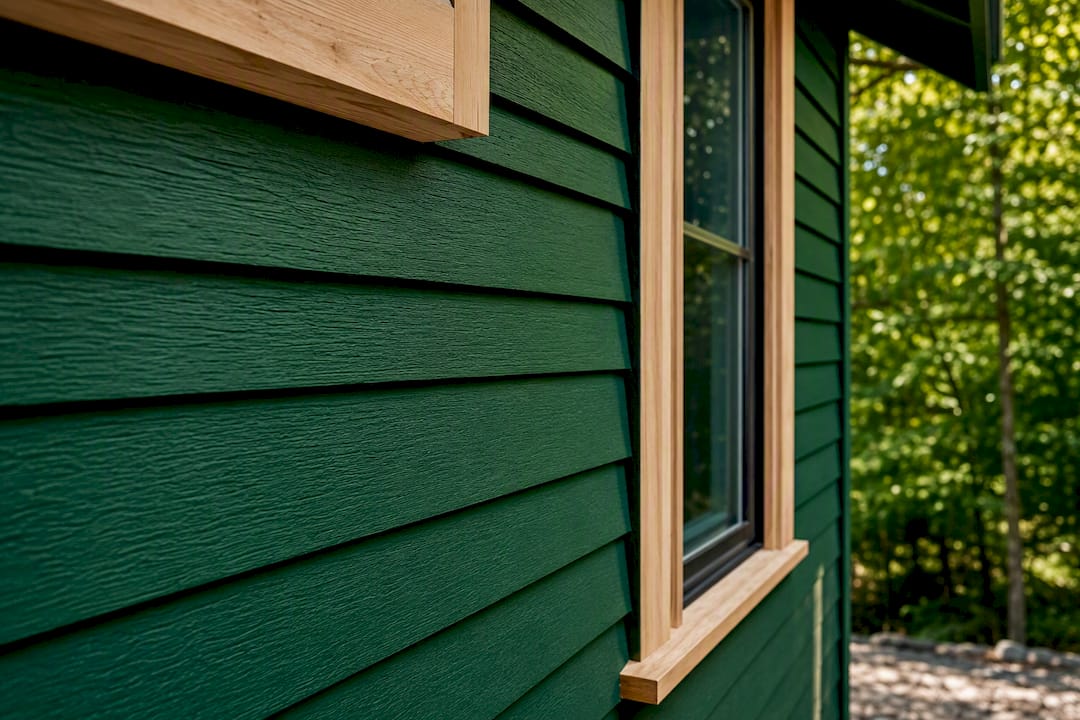
Greens pair beautifully with natural wood accents, which is part of why they’re trending alongside the broader shift toward mixed-material exteriors. The caution here is technical, not aesthetic: deeper green pigments can be prone to fading and chalking over time, especially on lower-grade vinyl. If you want a true, saturated forest green that still looks rich in five years, fiber cement siding or engineered wood hold pigment better than standard vinyl formulations.
2. Warm neutrals
Cool gray had a long run, but it’s losing ground to warmer neutrals for 2026. Designers are pointing homeowners toward creamier whites, sandy khakis, and what’s often described as “mushroom greige” for long-term curb appeal. The shift makes sense in practice. Warm neutrals sit more comfortably next to brick, stone veneer, and natural wood tones than blue-based grays do, which matters a lot if your home already has masonry accents you’re not replacing.
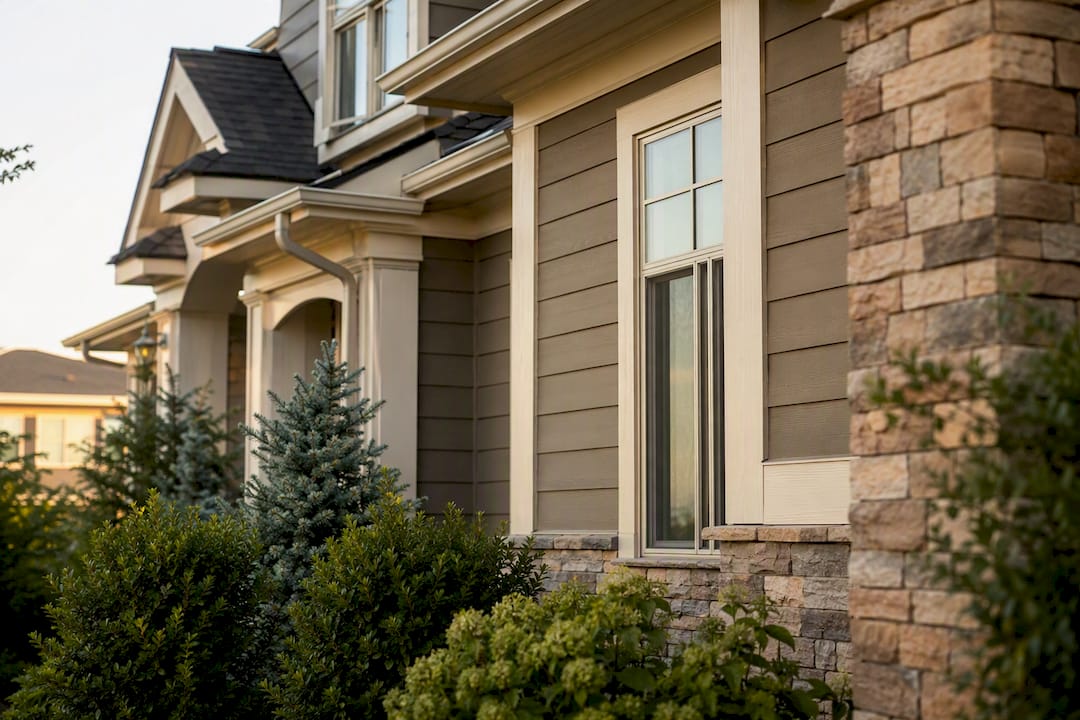
This category is also the safest bet if resale value is on your mind. Warm neutral palettes tend to be described as “quiet luxury” by designers who want something that photographs well and ages gracefully rather than a bold statement that feels dated in a decade.
3. Deep saturated darks
Charcoal, deep navy, and forest green are showing up as full-elevation colors on some homes, but more often as a dramatic accent, a garage wing, a dormer, or a lower level paired with a lighter upper story. Darks create genuine architectural drama, and modern and transitional homes carry them especially well.
The trade-off is real. Manufacturers themselves caution that dark, saturated tones need better colorfastness than lighter colors require, since dark pigments absorb more UV energy and show fading unevenly if the material underneath isn’t built for it.
4. High-contrast warm whites
The stark black-and-white modern farmhouse look is softening. Designers are now pairing lighter siding with charcoal or bronze window frames instead of true black, which keeps the contrast but loses the harshness. It’s a small swap with a big visual effect: bronze and charcoal window trim reads warmer in daylight and doesn’t compete as hard with landscaping or a stone foundation.
5. Color drenching and mixed materials
Color drenching means using one color, or one tight tonal family, across siding, trim, fascia, and even gutters. Done well, it gives a house a monolithic, architectural look that reads as intentional rather than default. It works best when manufacturer product lines are color-harmonized across siding, trim, and soffit, since mismatched substrates can reflect the same paint color differently.
Pro Tip: Before you commit to drenching a whole elevation in one color, ask your installer whether the siding, trim, and soffit come from the same product line. A “matching” color from two different manufacturers can look subtly off once it’s up in full sun.
How to Layer Tones Without Overdoing the Contrast
Tonal layering means using two or three related shades, rather than one flat color, across different parts of the exterior. Two-tone means picking a primary siding color and a distinct but complementary trim or accent color. Both techniques are replacing single, bold color schemes as the go-to approach for 2026 projects.
A few pairings consistently work:
- Olive siding with warm sand trim and a stone or brick base
- Terracotta or brick red siding with cream trim and black or bronze accents
- Navy siding with warm white trim, avoiding stark pure white
Material matters as much as the color chip itself. A charcoal chosen from a paint deck will look noticeably different on textured woodgrain vinyl than it does on smooth fiber cement, since woodgrain texture scatters light and reads slightly lighter and softer. As a general rule, keep your palette to two or three tones from the same color family, hold enough value difference that trim actually reads as trim rather than a color mistake, and reserve full color drenching for homes with clean architectural lines. Busy rooflines with lots of gables tend to look better with a defined accent than an all-over drench.
Which Siding Material Holds Trending Colors Best?
Color choice and material choice aren’t separate decisions. The material you pick determines how long that color actually looks the way it did on day one.
- Vinyl works fine for lighter neutrals and mid-tone greens but struggles to hold deep, saturated pigments without fading or warping in direct sun.
- Fiber cement handles darks and saturated greens far better, since the color is baked into a denser substrate that resists UV breakdown.
- Engineered wood offers a warmer, more textured look that pairs well with nature-inspired greens and warm neutrals, though it needs consistent sealing.
- Painted wood gives you the most color flexibility but the highest maintenance burden, especially with darker tones.
- Metal siding and accents hold saturated color well and are increasingly used for accent panels in color-drenched designs.
Industry practitioners note that dark exteriors can weather faster and show heat-related stress sooner than lighter colors, particularly on basic vinyl. If a deep charcoal or forest green is calling your name, ask your installer about fiber cement or engineered options built to hold that pigment rather than defaulting to the cheapest available substrate.
How to Choose, Test, and Finalize Your Siding Color
- Narrow your palette to two or three finalists from the trend directions that fit your architectural style, rather than starting from scratch.
- Order physical samples, not just paint chips. Ask your installer for large panels, at least a foot square, so you can judge the color at a realistic scale.
- View the samples outside at different times of day. Morning light, midday sun, and evening shadow will each shift how a color reads, and manufacturer visualizer tools are a useful starting point but physical panels in natural light remain the most reliable test.
- Confirm trim, roof, and window pairings before you finalize anything. A siding color that looks great alone can clash badly with an existing roof color you’re not replacing.
Ask your contractor directly about fade resistance ratings, whether the siding, trim, and soffit come from the same manufacturer crossline, and what substrate they’d recommend for your chosen color. Lead times for fiber cement can run longer than vinyl, so if you’re coordinating siding with a roof replacement or window upgrade, build that schedule gap in early.
Pro Tip: Tape your sample panels to the house and leave them up for at least three full days. A color that looks perfect on a sunny Saturday afternoon can look completely different in Tuesday’s overcast light.
What We’re Seeing on Job Sites
Working on exterior projects across Bucks County gives us a pretty direct view of which siding color trends 2026 homeowners are actually acting on, versus which ones stay on the mood board. Warm neutrals paired with cedar-look accents are the most requested combination we’re quoting right now, especially on colonial and farmhouse renovations. We’re also seeing more homeowners specifically ask for fiber cement when they want a true, deep forest green or charcoal, having read enough about vinyl fading to want something more durable.
A few patterns worth noting from recent projects:
- Homeowners increasingly bring in a physical sample board before signing off, rather than choosing from a digital swatch alone.
- Requests for bronze or charcoal window trim, instead of black, have become common on two-tone jobs.
- Color drenching requests are still a minority of projects, but they’re growing, particularly on modern and transitional new builds.
If you’re weighing a color decision for your own home, a walk-through with a contractor familiar with local architecture and material performance is worth more than any online visualizer.
Resale Value and How Long Your Siding Color Will Actually Last
Curb appeal sells houses, but the color itself only helps resale if it still looks good years later. Warm neutrals and mid-tone greens tend to hold the broadest buyer appeal because they read as timeless rather than tied to a specific design moment, which is part of why designers are calling these “quiet luxury” choices built for longevity and broad resale appeal rather than short-lived accent trends.
Fade is the real longevity variable, and it’s driven more by material and pigment depth than by the color family itself. A pale sage in vinyl will hold up better over a decade than a deep forest green in the same material, simply because darker pigments absorb more UV energy. That’s why the practical advice throughout this guide keeps circling back to material choice: if you want a bold, saturated color to still look bold in ten years, plan on a substrate built to hold it.
Maintenance also factors into resale math that homeowners often skip. A color that shows dirt, pollen, or streaking more visibly, dark solids and stark whites both have this problem, means more frequent washing to keep curb appeal intact. If low maintenance matters as much as looks, a mid-tone warm neutral or muted green often splits that difference better than either extreme. For a broader look at how exterior choices affect what your home is worth, our guide on exterior upgrades that add value walks through the return side of these decisions in more detail.
Trim and Accent Pairings That Work With 2026’s Trending Colors
The siding color gets most of the attention, but trim and accent choices are what make a palette feel finished. For warm neutrals like greige or sandy khaki, cream or soft white trim keeps things light without the stark contrast of pure white, while black or bronze door hardware adds a modern edge.
Nature-inspired greens pair naturally with warm wood tones on a front door or shutter accents, and cream or off-white trim keeps the overall look from feeling too monochromatic. Deep darks like charcoal or navy do best with warm white trim rather than another dark tone, since that contrast is what gives the drama its visual punch in the first place.
A few trim and accent combinations we’d point homeowners toward:
- Sage or olive siding with cream trim and a natural wood front door
- Sandy greige siding with white trim and black or bronze light fixtures
- Charcoal or navy siding with warm white trim and matte black hardware
- Terracotta siding with cream trim and dark bronze accents
The common thread across all of these is avoiding pure black. Bronze, charcoal, and matte black alternatives provide the same definition without the visual harshness that stark black trim can create, and they tend to photograph and age better too.
How Architectural Style Shapes Which Colors Actually Work
Trend lists are a starting point, not a rulebook, and the style of your home narrows the field fast. Craftsman and modern farmhouse homes carry warm neutrals and nature-inspired greens especially well, since both styles lean on natural materials and horizontal lines that these colors complement. Colonial and traditional homes tend to look best with slightly more restrained palettes, a warm neutral body with a deeper accent on shutters or the front door, rather than a full-elevation dark or drenched scheme.
Modern and contemporary builds are where deep saturated darks and color drenching genuinely shine, since clean geometric lines can carry a bold, monolithic color without looking heavy. Cape Cods and cottages generally do better with lighter, softer tones, sage or cream, since their smaller scale and steep rooflines can make a dark color feel overwhelming rather than dramatic. The lesson here is straightforward: pick your trend direction after you’ve honestly assessed your home’s architectural bones, not before.
Do Siding Color Trends Look Different by Region?
Climate and regional style both push siding color trends 2026 in different directions depending on where you live. In hotter, sun-heavy regions, homeowners are leaning harder toward lighter warm neutrals and mid-tone greens, partly for heat reflection and partly because dark colors show fade and heat stress faster under intense UV exposure. In cooler, wooded regions, deeper greens and charcoal tones read more naturally against the landscape and don’t face the same thermal pressure.
Coastal areas, including shore communities we work in around New Jersey, tend to favor lighter, weathered palettes, sandy neutrals and soft blues or greens that echo the environment and hold up against salt air and humidity. Inland suburban markets, including much of Bucks County, are seeing the strongest demand for warm neutrals and nature-inspired greens paired with wood accents, a combination that works well against the region’s mix of colonial and farmhouse architecture. Local building materials and even HOA guidelines can also shape what’s realistic, so a trend that’s popular nationally isn’t always the right fit for your specific street.
Sustainable Siding Materials and the Colors Available on Them
Eco-conscious siding options have expanded well beyond the basic recycled vinyl of a few years ago. Engineered wood products, often made from sustainably sourced wood fiber, now come in an expanded range of nature-inspired greens and warm neutrals that align directly with 2026’s dominant palette. Fiber cement, while resource-intensive to manufacture, offers a long service life that reduces replacement waste over time, and its color range increasingly covers the deep darks and saturated greens that vinyl struggles to hold.
Reclaimed and recycled metal siding is also gaining traction for accent panels, often finished in matte charcoal or bronze tones that fit neatly into color-drenched or two-tone designs. For homeowners specifically prioritizing sustainability alongside color, the practical trade-off is usually between a material’s manufacturing footprint and its expected lifespan. A longer-lasting fiber cement panel in a trending forest green may have a larger upfront footprint than vinyl, but it won’t need replacing nearly as often. If sustainability is a priority alongside style, ask your installer directly about the sourcing and expected service life of each material you’re considering, since that information isn’t always advertised prominently.
Should Your Interior Colors Match Your New Siding?
Interior and exterior color decisions are increasingly made together rather than in isolation, and the same warm neutral and nature-inspired palettes showing up on siding are turning up inside, too. Homeowners choosing a mushroom greige or sandy khaki exterior are often pulling the same warm, earthy tones into interior trim, cabinetry, or accent walls, creating a sense of continuity from the street to the front door.
This coordination isn’t just aesthetic preference. Warm neutral and green-based palettes tend to work well in both natural daylight and interior lighting, which is part of why they’re proving durable trends rather than a passing moment. If you’re planning both an exterior update and interior work, even something as simple as new front door hardware or a repainted foyer, it’s worth choosing your siding color first and letting interior accents echo it, rather than the reverse. The exterior is harder and more expensive to change later, so it makes sense to treat it as the anchor decision.
What Actually Matters More Than the Trend Itself
Trend reports are useful for narrowing options, but they can also push homeowners toward decisions that photograph well without holding up structurally. That’s the gap we see most often: someone falls for a moody charcoal or deep forest green online, then gets a vinyl estimate that doesn’t account for how that pigment will perform in five years of direct sun.
The conventional advice, “pick a color you love and go”-undersells how much the substrate matters. A color isn’t really a color decision until you’ve paired it with a material that can hold it. That’s not a reason to avoid deep, saturated tones. It’s a reason to ask harder questions before you sign anything.
If you take one thing from this guide, prioritize material fit over color name. A “greige” swatch means little if you don’t know whether it’s going on vinyl, fiber cement, or engineered wood, since each will age and fade differently. Trends will keep shifting. A well-matched material and color combination won’t need to.
Ready to Bring 2026’s Siding Colors to Your Home?
Picking a color from a manufacturer’s swatch book is the easy part. Getting that color installed on the right material, with the right trim pairing, and a crew that keeps your job site clean while they do it, is where most homeowners actually need help. Jaghomesnow works directly with homeowners across Bucks County and the Jersey Shore to match trending siding colors to materials built to hold them, whether that’s fiber cement for a deep forest green or engineered wood for a warm sandy neutral.
If you’ve read this far and have a color direction in mind, whether that’s a warm neutral, a nature-inspired green, or a two-tone scheme with bronze accents, the next step is a straightforward conversation about your home’s architecture and the materials that fit it. Our guide on choosing the right remodeling contractor in Bucks County walks through what to ask before you sign anything, and it’s a good starting point before you request an estimate for your siding project.
Frequently Asked Questions
What is the most popular siding color for 2026?
Warm neutrals, particularly mushroom greige and sandy khaki tones, are leading the field, largely because they replace cool gray while still pairing well with brick, stone, and wood accents.
Are dark siding colors going out of style?
No, but they’re being used more selectively. Deep charcoal, navy, and forest green remain popular as accents or on modern architecture, though homeowners are pairing them with better-performing materials to manage fade.
What color should I paint my trim with green siding?
Cream or warm off-white trim complements nature-inspired greens without creating harsh contrast, and a natural wood front door adds warmth to the pairing.
Is color drenching a passing trend or a lasting one?
It’s gaining traction because manufacturers now offer color-harmonized product lines across siding, trim, and soffit, which makes the technique easier to execute well than it was a few years ago.
Does siding color affect resale value?
Yes. Neutral, timeless palettes tend to appeal to the widest range of buyers, while very bold or trend-specific colors can narrow your buyer pool if you sell before the trend cycle turns over.
Sources
- Two Tone Exterior Color Trends 2026
- Exterior Color Trends 2026: 7 Ideas for Siding, Trim & Home Design | Westlake Royal Building Products
- 2026 Exterior Color Trends in Siding, Trim, and Design – Associated Materials Innovations
- Modern house siding ideas | gb&d