

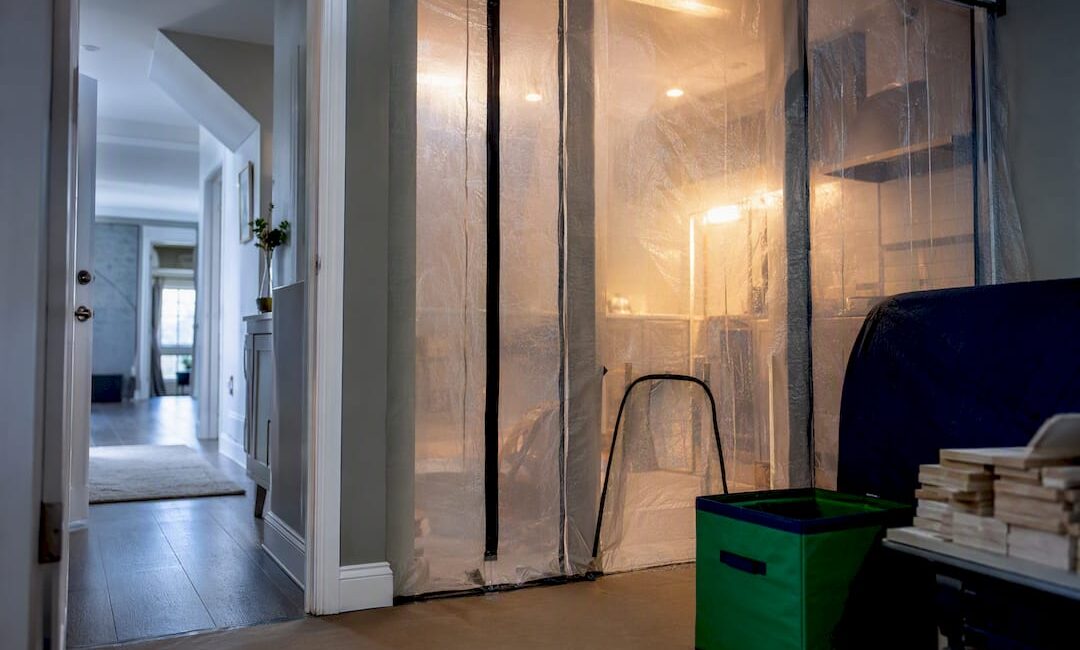
Yes, you can live through a remodel if you set up one refuge room, insist on dust containment with HEPA filtration, plan a temporary kitchen, and get a written daily schedule from your contractor. Most single-room and phased projects are livable with the right systems in place. A full gut renovation or a whole-house project is a different story, and that’s usually when a short relocation makes more sense than gritting your teeth through it.
TL;DR:
- Living through a remodel is feasible with a designated refuge room on a different floor, proper dust containment, and a temporary kitchen setup.
- Homeowners should complete thorough pre-construction planning, including decluttering, finishing selections, and scheduling dumpster delivery a week early to avoid delays.
- Dust control requires real dust walls, HEPA scrubbers, sealed vents, and daily cleanup routines to prevent fine drywall particles from spreading inside the house.
- Contractors who update daily, communicate clearly, and build containment into their process deliver a more livable renovation experience.
- Scope determines whether you need to relocate; full-gut or multi-room projects usually justify short-term hotel stays, while phased or single-room renovations are often manageable in-place.
Table of Contents
- What Should You Do Before Demo Day to Live Through a Remodel?
- How Do You Set Up Daily Living Systems During Construction?
- What Dust Control and Air Quality Steps Actually Work?
- What Should You Expect From Your Contractor Day to Day?
- When Should You Move Out Instead of Staying?
- How Do You Handle Kids, Pets, Remote Work, and Stress?
- How Do Experienced Remodelers Plan Live-In Projects?
- What Actually Makes a Remodel Livable
- Want a Remodel You Can Actually Live Through?
- Where to Learn More About Remodeling Air Quality and Prep
- Sources
- FAQ
What Should You Do Before Demo Day to Live Through a Remodel?
The work you do before your contractor swings the first hammer determines whether the next several weeks feel manageable or miserable. Homeowners who skip this stage tend to hit avoidable delays: missing materials, confused access routes, and finish decisions made under pressure instead of calm deliberation.
Start with a full walkthrough of the affected rooms and the paths crews will use to reach them. Confirm with your contractor exactly where tools, dumpsters, and materials will stage, and where the crew will park. Ask about permits and confirm your homeowner’s insurance covers the work in progress. Confirming scope, decluttering, and finalizing selections weeks ahead is one of the strongest predictors of a project staying on schedule.
Here’s what belongs on your pre-construction checklist:
- Declutter and pack away nonessential items from the work zone and adjacent rooms.
- Photograph valuables and move anything fragile, sentimental, or expensive to a locked space.
- Finalize every finish selection (tile, fixtures, hardware) and confirm long-lead items have shipped.
- Arrange offsite or garage storage for furniture that can’t stay in the construction footprint.
- Get a signed pre-construction walkthrough and a written start schedule from your contractor.
If you’re renovating a bathroom or kitchen specifically, review a bathroom remodel timeline or kitchen remodel timeline ahead of time so you know which weeks will hurt the most.
Pro Tip: Book your dumpster delivery and material staging area a week before demo, not the morning of. Contractors often lose their first full day just figuring out logistics that could have been settled during the walkthrough.
How Do You Set Up Daily Living Systems During Construction?
Living through renovations day to day comes down to three systems: somewhere quiet to retreat, somewhere to cook, and somewhere to bathe. Get these three right and the rest of the disruption becomes background noise instead of a crisis.
- Pick your refuge room first. Choose the bedroom or living space farthest from the work zone, ideally on a different floor. Equip it with a portable air purifier, good lighting, a locking door if possible, and a small stash of essentials so you never have to walk through dust to grab a phone charger.
- Build a temporary kitchen. A mini-fridge, microwave, electric kettle, and a hot plate cover most needs. Treat it like camping in your own home: plan a two-week rotation of low-cleanup meals and freezer-batch a few dinners in advance so you’re not deciding what to eat while standing in sawdust.
- Protect one working bathroom. If your contractor needs to shut off water intermittently, post a shower schedule on the fridge so nobody gets caught mid-lather during a planned outage.
A few smaller habits make a bigger difference than they sound like they should:
- Keep a go-bag with toiletries and a change of clothes near your refuge room during demo weeks.
- Plan one or two outings during the loudest days of demolition, even if it’s just a long grocery run.
- Stock extra phone chargers and batteries in the refuge room so a tripped breaker doesn’t strand you.
What Dust Control and Air Quality Steps Actually Work?
Drywall dust is the real enemy of living through a remodel. Fine particulate from sanding travels far beyond the work zone and settles into fabric, vents, and lungs long after the crew has gone home. Containment isn’t optional if you’re staying in the house.
Insist on these four measures before work begins:
- Temporary dust walls with real, lockable doors, not just plastic sheeting taped to a door frame.
- HEPA air scrubbers running near the containment opening, positioned to pull air away from the rest of the house.
- Sealed or taped supply and return vents inside the active work zone so the HVAC system doesn’t circulate debris.
- A daily end-of-day cleanup standard, including vacuumed floors and wiped surfaces, before the crew leaves.
The EPA recommends changing HVAC filters every two to three weeks during active remodeling to keep the central system from recirculating construction particulate. That’s roughly double the normal replacement pace for most households, and it’s an easy line item to forget once the project gets busy. Post a reminder where the crew clocks in.
If your home was built before 1978, ask about lead-safe certification in writing before any painted surface gets disturbed. EPA Renovation, Repair and Painting rules require certified handling in these cases, and it’s worth confirming before work starts rather than after dust is already airborne.
What Should You Expect From Your Contractor Day to Day?
A remodel that stays livable runs on communication as much as craftsmanship. Contractors who provide daily updates and a clear point of contact consistently produce happier homeowners than those who simply show up and start working. Communication rhythm and site cleanup matter more to homeowner experience than minor schedule slips, which tells you where to focus your expectations before signing anything.
Before work begins, ask for the following in writing:
- A daily schedule with expected work hours, milestone dates, and any planned water or power outage windows.
- One designated project contact, not a rotating cast of subcontractors you have to chase down.
- Daily or weekly progress updates, ideally with photos and a short note on what’s next.
- A clear cleanup standard spelled out in the contract, so “clean” means the same thing to you and the crew.
Change orders deserve their own conversation. Ask how the change-order process works before the project starts, including how surprises get priced and approved. A homeowner who understands this process rarely gets blindsided by a bill they didn’t expect. If you’re still vetting who to hire, review how to choose a remodeling contractor before signing anything.
When Should You Move Out Instead of Staying?
Scope decides this, not toughness. Single-room projects and phased renovations, where work moves from space to space, are usually livable with the containment steps above. A full gut renovation or simultaneous kitchen-and-bathroom project is a different animal entirely.
A useful rule: if more than half the rooms on your main living floor are under construction at the same time, plan to leave for the worst stretch. A few other signals point toward relocating, at least temporarily:
- Multi-day water or power outages are scheduled, especially in winter or extreme summer heat.
- Someone in the household is very young, elderly, or has a respiratory condition sensitive to dust.
- The messiest week (demo, subfloor work, or major duct changes) overlaps with a work-from-home deadline you can’t move.
A short hotel stay for the worst week is often more tolerable, and cheaper, than moving out for the entire project.
How Do You Handle Kids, Pets, Remote Work, and Stress?
Households with children, pets, or remote jobs need an extra layer of planning on top of the basics. The goal is protecting the most vulnerable and least flexible parts of your routine first.
Set up a safe zone for pets away from open doors and power tools, and consider boarding them or asking a friend to take them for the loudest demo days. Kids benefit from the same treatment: a clear “construction is off-limits” boundary, paired with a plan for where they’ll do homework or play when the usual space is unavailable.
If you work from home, block your calendar around known noisy windows and ask your contractor for a heads-up before jackhammering or framing starts. Noise-cancelling headphones help, but a five-minute warning from the crew helps more.
- Crate pets or arrange off-site care during framing, demo, and any loud finish work.
- Give kids a clear boundary line and an alternate space for schoolwork or downtime.
- Ask sensitive individuals to consider a short stay elsewhere during the dustiest phase, with a doctor’s input if allergies or respiratory issues are a concern.
- Schedule a mid-project weekend away if the timeline runs long. A brief break partway through a long renovation resets morale more than people expect.
Pro Tip: Ask your contractor for a “quiet day” once a week if your job allows it. Most crews can shift loud tasks like framing or demo around a single day if you ask early in the schedule, not after you’ve already lost a week of sleep.
How Do Experienced Remodelers Plan Live-In Projects?
Contractors who specialize in occupied renovations build containment and communication into the process from day one, not as an afterthought once dust complaints start rolling in. JAG Home Enhancements approaches live-in projects with a few consistent practices worth asking any contractor to match:
- 3D planning and material warehousing before demo starts, so fewer decisions get made mid-project.
- Sealed dust walls with real locking doors and HEPA scrubbers running throughout active work.
- Daily jobsite cleanup as a standard, not a special request.
- One project manager handling communication, with written schedules shared up front.
That combination is what separates a renovation you can live through from one that sends you looking for a hotel room by week two.
What Actually Makes a Remodel Livable
Most advice about surviving a renovation focuses on the wrong thing: coping mechanisms for the homeowner instead of containment standards for the jobsite. Candles, patience, and a good attitude help, but they don’t stop drywall dust from settling into your bedroom vents. The research is consistent on this point. Daily cleanup and sealed containment predict homeowner satisfaction far more reliably than whether the schedule slipped by a few days.

Where conventional advice falls short is treating relocation as a binary choice: either you tough it out in the whole house or you move out entirely. The better framework is scope-based. A single bathroom gut job rarely justifies a hotel stay. A whole-floor renovation with simultaneous kitchen and bath work often does, even if only for the worst week.
If you take one thing from this, prioritize the refuge room and the HVAC filter schedule before you worry about paint colors or hardware finishes. Comfort during a remodel comes from air quality and a quiet corner to retreat to, not from finish selections you’ll barely notice while covered in sawdust.
— Jeff
Want a Remodel You Can Actually Live Through?
There are contractors in Bucks County that focus on helping homeowners stay in their house during renovation, rather than just endure it. Where a lot of remodels turn into weeks of guesswork about dust, noise, and who to call with questions, Some contractors incorporate containment and communication into their renovation plans, including sealed dust walls with locking doors, HEPA scrubbers, daily cleanup, and a single project manager as the point of contact.
If you’re planning a kitchen or bathroom remodel and want to stay put through the process, start with the kitchen and bathroom remodeling page to see how JAG structures a live-in project, or reach out for a consultation through the contractor selection guide to get your questions answered before you sign anything. If you’re only after a smaller update, like fresh doors or closets, a low-disruption option like refreshing your space without a full renovation may get you there with a fraction of the dust.
Where to Learn More About Remodeling Air Quality and Prep
The EPA’s indoor air quality guidance covers dust control and filter schedules in more technical detail than any blog post can. For broader prep and survival strategies, Ranney Blair’s renovation survival guide and Houzz’s homeowner accounts offer practical, ground-level detail worth reading before your project starts.
Sources
- Best Practices for Indoor Air Quality When Remodeling Your Home — EPA
- Living in Your Home During a Renovation: Our Survival Guide — Ranney Blair Weidmann Remodeling
- What It’s Really Like to Live Through a Remodel — Houzz
- How to Prepare for a Remodel — S&E Remodeling
FAQ
Can I live in my house while it’s being renovated?
Yes, in most single-room or phased renovations, especially when the contractor uses sealed dust containment, HEPA filtration, and daily cleanup. Whole-house gut jobs or projects covering more than half your main living floor at once are harder to live through and often call for temporary relocation.
What is the 30% rule in remodeling?
It’s a budgeting guideline, not a fixed law, but it’s a smart cushion to build in before you sign a contract.
What does a $10,000 bathroom remodel look like?
A bathroom remodel typically covers a full refresh of an existing layout: new fixtures, tile, vanity, and paint, without moving plumbing lines or expanding the footprint. Reconfiguring the layout or upgrading to higher-end finishes usually pushes costs well beyond that figure.
Is $10,000 enough for a kitchen remodel?
Cosmetic kitchen updates like new countertops, hardware, paint, and possibly refaced cabinets may be covered in a lower-cost remodel, but not a full gut renovation with new layout, cabinetry, and appliances. Homeowners planning a complete kitchen overhaul should expect a considerably higher budget once labor, materials, and unexpected repairs are factored in.
How do I know if I need to move out during a remodel?
Consider temporary relocation if more than half your main living floor is under construction at once, if multi-day utility outages are scheduled, or if someone in your household has health concerns sensitive to dust and noise. For smaller, contained projects, a short hotel stay during the messiest week is often enough.